


The core of every effective B2B strategy is keyword research. In contrast to B2C businesses, B2B websites are directed at professionals and decision-makers, and organizations with a longer sales cycle and purchases of high value. The search engine is useful in understanding what your audience is searching for to enable you to create content that drives qualified traffic, creates leads, and increases conversions.
In this guide, I will provide you with all about a B2B site that runs high on Google, draws in the right customers, and how you can outperform your competition.
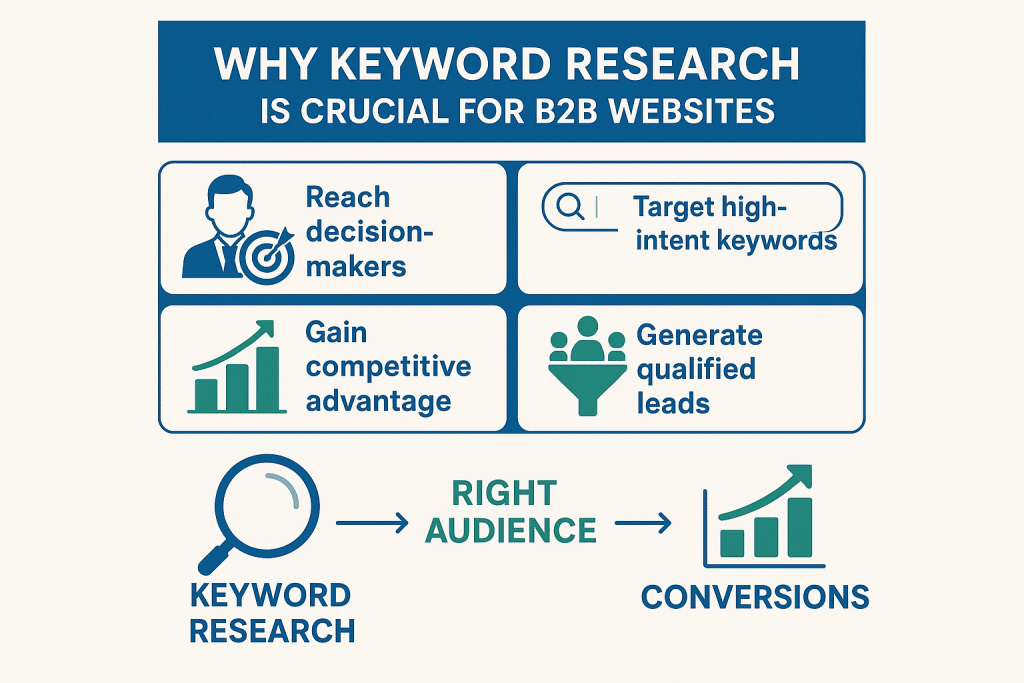
Why Keyword Research is Crucial for B2B Websites
B2B customers usually make purchases after performing intense research. The targeting of the wrong keywords can result in traffic, but it is not going to convert. The strategic research on keywords enables you to:
- Get in touch with decision-makers making purchase decisions.
- Focus on high-intent search queries that result in conversions.
- Become competitive amongst other B2B websites.
- Optimize content so as to produce qualified leads regularly.
The difference that lies between B2B and B2C SEO is that in the former case, you should be more conversant with the needs and pain points of the audience and how they search.
Step-by-Step Guide to B2B Keyword Research
1. Understand Your Buyer Persona and Buyer Journey
Before searching the keywords, it is essential to know who will listen to you. When you are dealing with B2B, you should tailor your content to specific issues and problems of people or firms.
Ask yourself:
- But who are my target decision-makers?
- What are their difficulties or pain points?
- What are they seeking on the Internet?
Mapping the buyer journey is also required. It is usually divided into three stages:
- Awareness Stage – The prospect is identifying a problem or need. Example keyword: “how to improve team productivity.”
- Consideration Stage – The prospect evaluates solutions. Example keyword: “best project management software for small teams.”
- Decision Stage– The prospect is willing to make a purchase. Key phrase: purchase enterprise collaboration tools online.
You can easily get very targeted traffic by matching keywords to the buyer journey, and direct potential clients to conversion.
2. Use Advanced Keyword Research Tools
The correct tools render B2B keyword research effective and fact-based. Popular tools include:
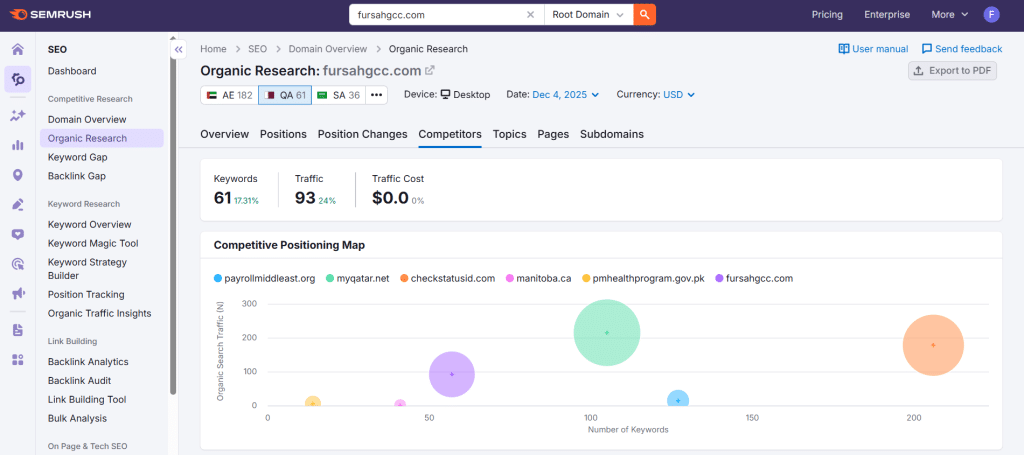
- SEMrush Competitors, Gap Analysis, and Keyword Tracking.
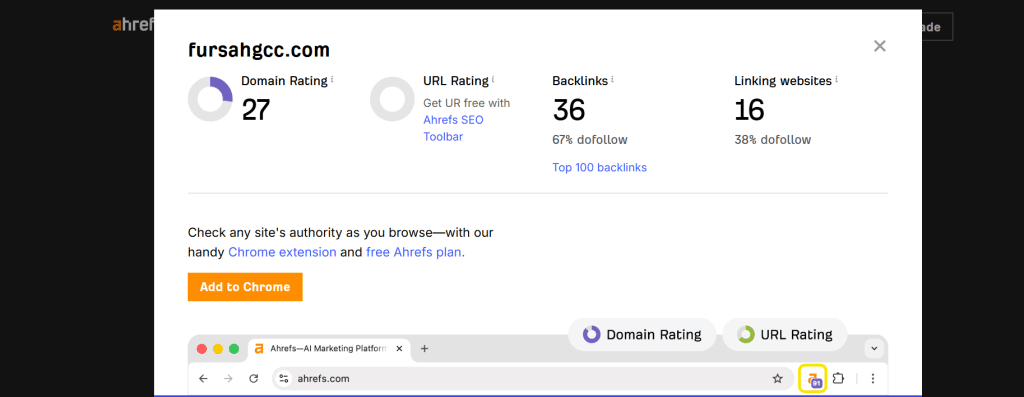
- Ahrefs – examine the search volume, keyword challenge, and backlink potential.
- Ubersuggest – Gives key suggestions and long-tail key suggestions.

- Google Keyword Planner – A free tool that serves as a starting point to do basic keyword research and trends analysis.
Useful hints regarding the use of tools:
- Filter keywords by search volume, difficulty, and relevance.
- Pay attention to keywords that are niche-specific.
- Combine tools for more comprehensive insights.
3. Analyze Competitors’ Keywords
One of the aspects of B2B keyword research is competitor analysis. You can detect the keywords your competitors rank with and thus:
- Get the high-value keywords that they are pursuing.
- Identify areas where the keywords are missing that you can exploit.
- Know content strategies working in your business.
Ask:
- Which keywords drive traffic to their website?
- Are they missing high-intent keywords we can target?
- How can we create better content around these keywords?
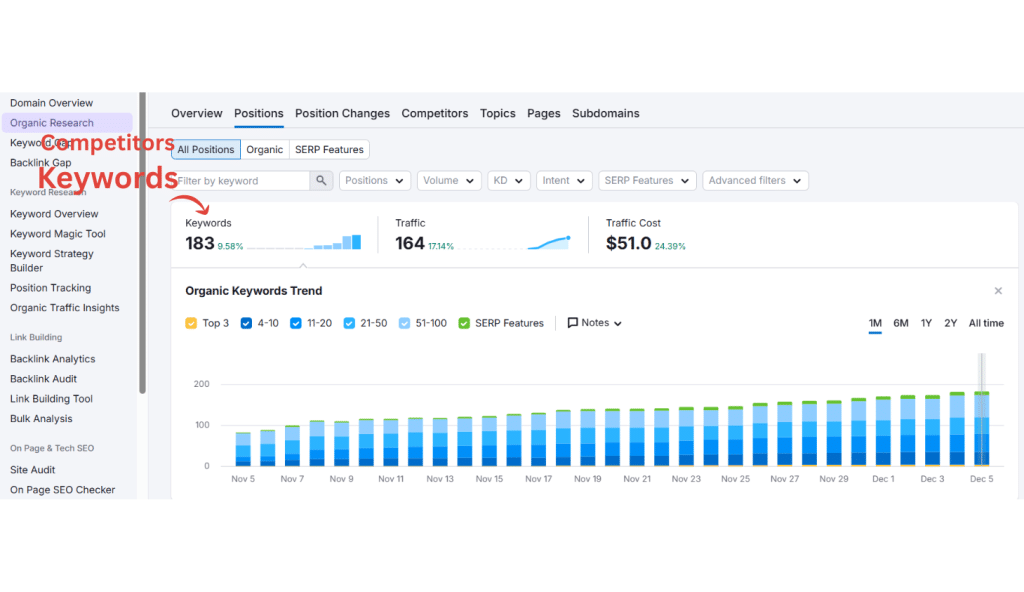
This is to make sure that your strategy is data-driven and competitive.
4. Focus on Long-Tail Keywords
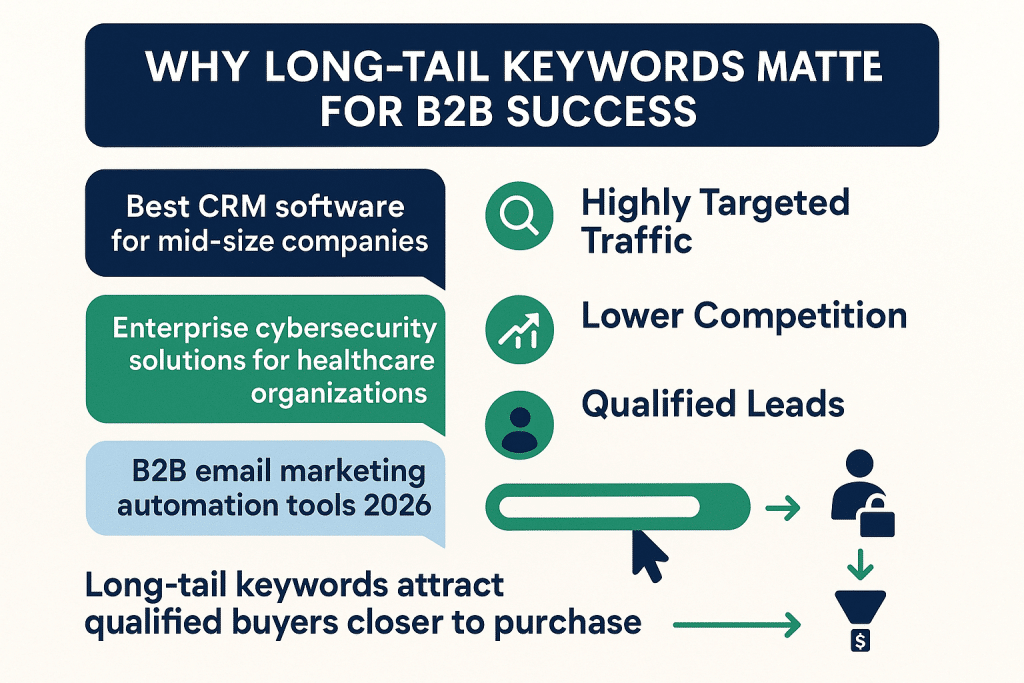
Long-tail keywords are more target-oriented and narrow, hence best to use in B2B websites. A lot of competition and highly qualified leads are attracted to them.
Examples of long-tail B2B keywords:
- Best CRM for the middle-range businesses.
- Healthcare organizations: enterprise cybersecurity solutions.
- “Automation tools of B2B email marketing 2026.
The long-tail Keywords will allow you to focus on those buyers who are within the range of buying instead of competing with the expensive generic words.
5. Prioritize Keywords by Intent and Business Value
Not all keywords are equally valuable. Categorize your keywords based on search intent:
- Informational: Users seeking knowledge. Example: “What is B2B lead generation?”
- Navigational: Users looking for a brand or solution. Example: “HubSpot CRM login”
- Transactional: Users are ready to buy or take action. Example: “buy marketing automation software”
Focus on high-intent keywords that align with your products, services, and conversion goals.
Read more: How to Do SEO Yourself (Step-by-Step Guide for 2026)
How to Optimize B2B Content for Keywords
Once you have your list of keywords, the next step is to do optimization. It is done in the following way:
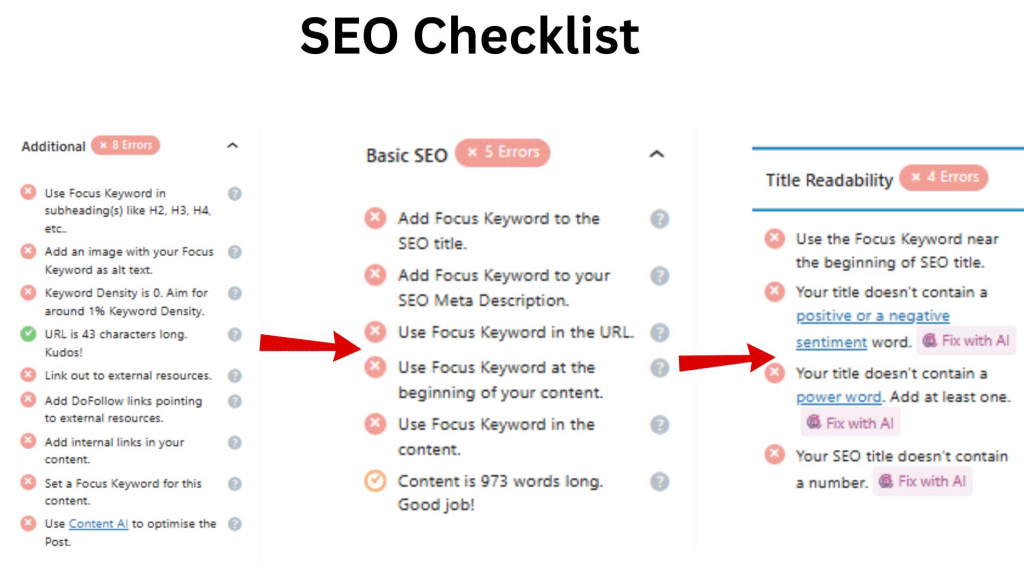
- Apply the Keywords Intuitively, incorporate the keywords in the headings, meta description, and in the text of the body.
- Insert Semantic Keywords -Relevant words enhance the relevance of the content.
- Internal Linking- This entails linking with other related blog posts or other related service pages to promote search and also to make the user have an easy time navigating.
- Easy to read structure- Bullet points, short paragraphs, and headings.
- Engaging Content – Offer practical insights, examples, and case studies.
Optimizing your content properly guarantees that your content features a high ranking and that your audience is retained.
Common Mistakes in B2B Keyword Research
These are the pitfalls that most B2B marketers commit:
- Using generic keywords that bring irrelevant traffic.
- Disregarding search intent – not every traffic is turned into leads.
- Stuffing Keyword Stuffing Keyword stuffing may damage your search engine optimization.
- Lack of competitor analysis – leaving opportunities that your rivals are exploiting.
Being mindful of these errors is better in terms of your SEO and the quality of leads.
Top Tools & Resources for B2B Keyword Research
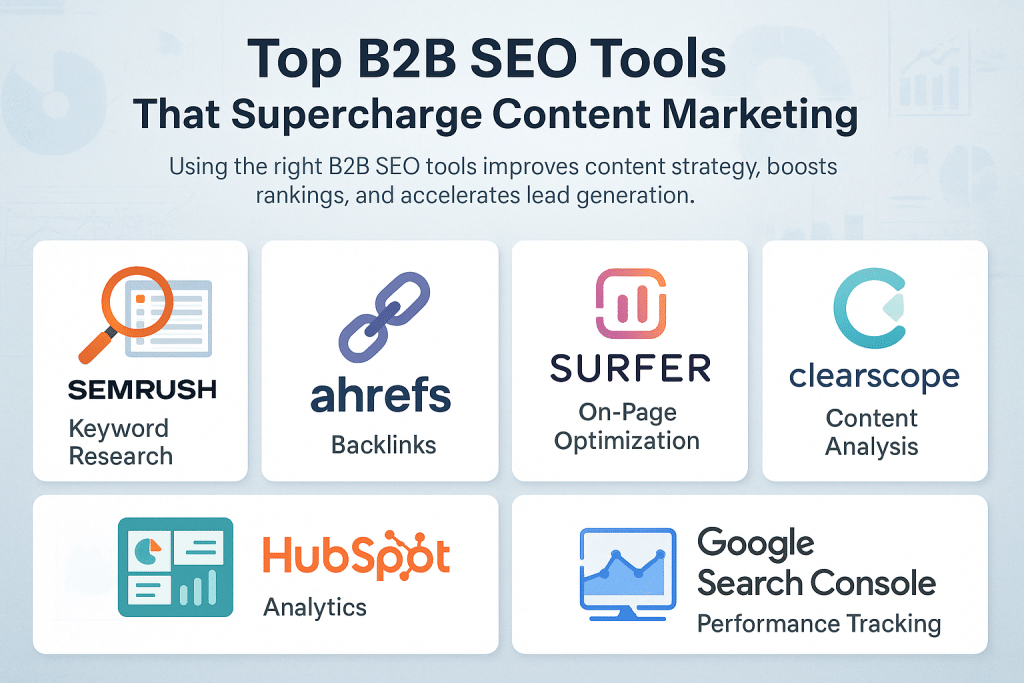
The following are some of the tools that are critical to simplify and show the effectiveness of keyword research:
- SEMrush- Keyword recommendations and competitor analysis.
- Ahrefs- Keyword, backlink, and content gap analysis.
- Moz Keyword Explorer- SERP and Keyword opportunities.
- Something free, basic, simple, Google Keyword Planner Free.
- Ubersuggest Trend analysis and finding Long-tail keywords.
Additional resources:
- Research on the market and in the industry to know the new trends in B2B.
- Questions LinkedIn Groups or Quora to view actual inquiries of your audience.
FAQs
Q1: What is the time required when conducting B2B key research?
A: The required time to complete the in-depth research will be 1-2 weeks, depending on the complexity of the niche and target audience.
Q2: Can B2B SEO be performed with the help of long-tail keywords?
A: Yes! They are receptive and concerned since they would bring targeted traffic.
Q3: Does this imply that I would be able to use free tools like Google Keyword Planner to accomplish B2B SEO?
A: Absolutely! Free tools are as good as they can be, but at the same time, as much information as possible can be given by paid tools like SEMrush and Ahrefs.
Q4: What frequency should I use to update my B2B keywords?
A: Once a week at least (after every 3-6 months) to comply with the fluctuating tendencies and search trends.
Read more: How to Rank #1 on Google Maps UK (2026 Tactics)
Final Words
The best B2B site is one that is based on keyword research. With the appropriate knowledge of who you are communicating with, competitor analysis, and high-intent keywords, you will be able to generate qualified traffic, leads, and more conversions.
These strategies would see you not only outcompete your competition, boost your search ranking, and have your B2B site a lead-generating machine in 2026. You can also get our national seo services in the UK.